Oral-Transmucosal vs Intramuscular: Is OTM a Viable Alternative for Dexmedetomidine + Methadone?
A randomized, blinded study of 30 dogs compares oral-transmucosal versus intramuscular administration of dexmedetomidine + methadone, evaluating sedation quality, cardiopulmonary effects, and propofol intubation requirements.
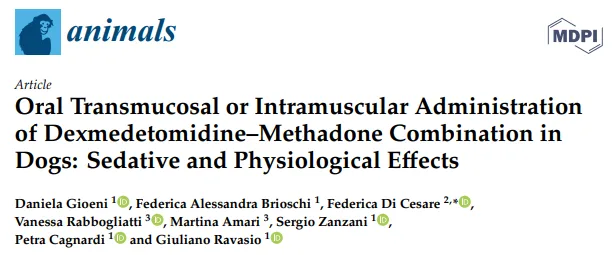
How does the oral-transmucosal (OTM) route compare to the intramuscular (IM) route when administering dexmedetomidine + methadone? Is the sedation quality the same, more, or less with OTM? How are the cardio-pulmonary variables impacted when these agents are administered OTM instead of IM?
Objective
Compare the sedative effects of dexmedetomidine + methadone when administered OTM versus IM. Assess if & how cardio-pulmonary parameters change when these two drugs are administered OTM versus IM.
Study Design
Sample Size = 30 dogs total — still a relatively small sample size. Dogs of varying ages, breeds, and bodyweights.
Consider: how does the pharmacology and visible effects of drugs change in patients of different age (pediatric vs geriatric), breed (Chihuahua vs Golden Retriever), and size (small vs large breed)?
All dogs were classified as ASA-1 based on physical examination, labwork (CBC + Chem), and echocardiogram. Dogs were excluded if they had received any medications within 30 days and/or if they had pre-existing disease affecting the oral cavity.
Randomized + Blind + Prospective Design — all beneficial qualities to a good study design!
Treatment Groups (dexmedetomidine 10mcg/kg + methadone 0.4mg/kg):
- OTM group — n = 15 dogs
- IM group — n = 15 dogs
Dogs had temperaments scored & were acclimatized for 20min prior to treatment administration.
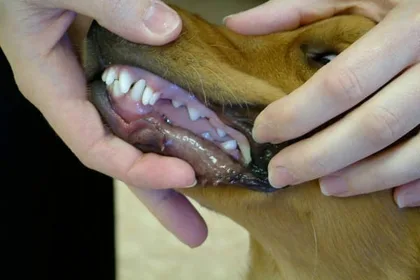
- OTM site = buccal pouch
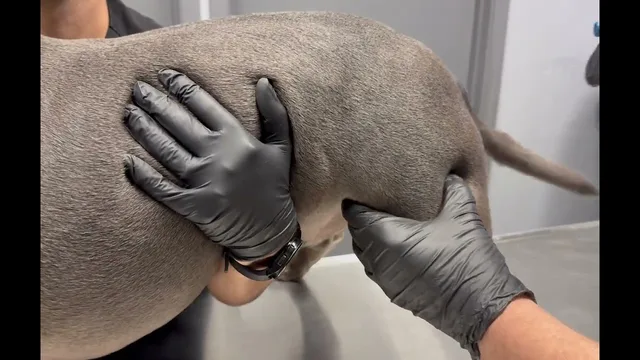
- IM site = epaxial muscle
Parameters Assessed:
- Oral pH — prior to and 10min post-drug administration
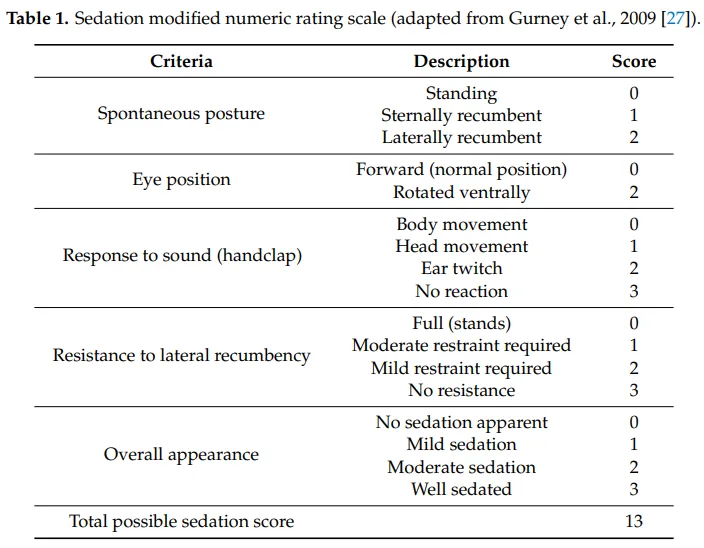
- Sedation Scores — at 10min, 20min, and 30min post-drug administration
- HR — via ECG
- NIBP — via oscillometric cuff placed on forelimb (SAP, MAP, and DAP measured; mean of the middle 3 of 5 consecutive readings used for analysis)
- RR — via visual observation
- Temperature — via rectal measurement
- Resistance to cephalic IVC placement — scored from 0 (strong resistance) to 3 (no resistance) at the end of study period (T-30min post-drug administration)
- Propofol dose required for orotracheal intubation — immediately following IVC placement
Physiologic parameters were recorded at baseline & at 10min intervals throughout the 30min study period.
Consider: do you know how pH can impact absorption of orally administered drugs?
Results
No statistical difference was found in regards to age, body weight, temperament scores, or oral pH between groups. Breed was significantly different — the majority were MBD. No statistical difference was found in baseline physiologic parameters for all dogs.
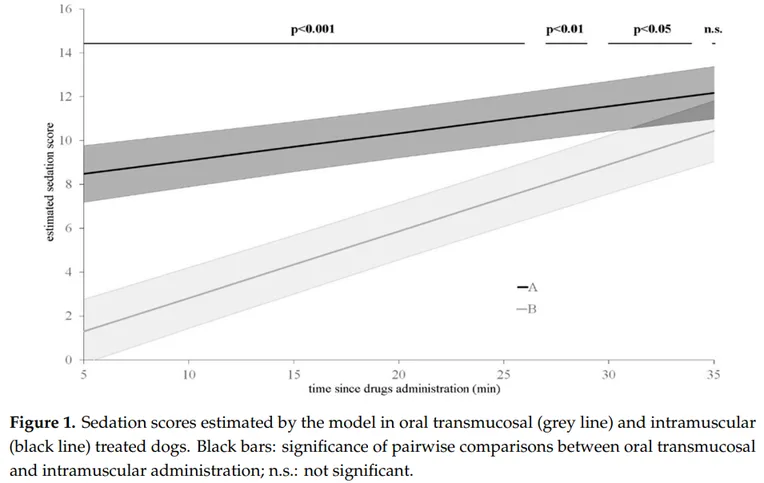
Sedation Effects — Both groups achieved adequate sedation quality for IVC placement; however, significant differences were observed with the OTM route:
- Lower sedation scores with OTM group (~1/4 of the quality observed with IM)
- Longer time to reach sedation with OTM group (~30 minutes)
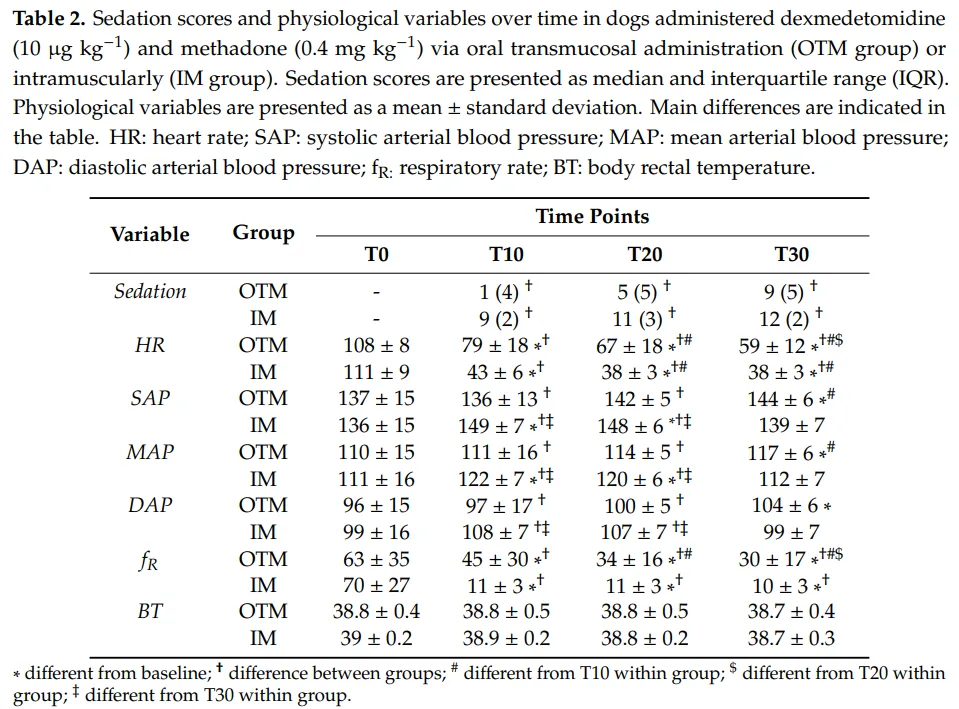
Physiologic Parameters:
- HR — significantly higher with OTM group than IM group
- NIBP — no significant difference between groups
- RR — significantly higher with OTM group than IM group
- Temp — no significant difference between groups
Resistance to IVC Placement — No significant difference between groups.
Propofol Intubation Dose — Significantly higher with OTM group than IM group:
- OTM propofol dose = 3 mg/kg IV
- IM propofol dose = 1.6 mg/kg IV
Additional Observations:
- 4/15 dogs in IM group showed 2nd-degree Atrioventricular Block (AVB) on ECG throughout the study period, but did not require treatment
- 8/15 dogs in OTM group had ptyalism
- 2/15 dogs in OTM group had emesis
Conclusions
The OTM route of administration provides effective sedation for IVC placement comparable to the IM route for dexmedetomidine + methadone.
The OTM route allows for less cardiovascular impact compared to the IM route for dexmedetomidine + methadone.
The OTM route does not reduce the dose of propofol needed for intubation compared to the IM route of dexmedetomidine + methadone.
Limitations
Various study factors that may have confounded results:
- Small sample size — a difference in some of the variables may or may not have been as significant with a larger sample size
- High dosages utilized compared to daily practice — while the dosages of both dexmedetomidine and methadone used in the study are within published dosage ranges, they are much higher than typically used in daily clinical practice; results for both sedation quality and physiologic parameters may not be the same when lower, clinical doses are utilized
- Respiratory gases (O₂ & CO₂) were not assessed — while significant changes in RR were seen between each group, this is only one variable to respiration & it is uncertain how route of administration impacts overall oxygenation & ventilation by the observed change in RR alone
- Analgesia was not assessed — the majority of veterinary professionals utilize both dexmedetomidine and methadone for analgesic purposes, and it is undetermined if the same analgesic properties seen with IM administration would be similar with OTM administration
The OTM route of administration is an easy and effective sedation alternative to the IM route for alpha2-agonists & opioids. The OTM route may take longer and provide lower quality of sedation. Due to uncertainty in analgesic effects, this route may be adequate only for less-invasive procedures.
Source
Gioeni D, Brioschi FA, Di Cesare F, Rabbogliatti V, Amari M, Zanzani S, Cagnardi P, Ravasio G. 2020. Oral transmucosal or intramuscular administration of dexmedetomidine–methadone combination in dogs: sedative and physiological effects. Animals (Basel) 10(11):2057.
doi.org/10.3390/ani10112057Educational content for veterinary professionals. Not a substitute for clinical judgment or an established VCPR. See our Medical Disclaimer.
Get In Touch
Want to learn more?
Whether you're looking for hands-on training or expert consultation, MACvet™ is here to support your team and your patients.