Understanding MAC Values: What Every Vet Team Should Know
Minimum alveolar concentration (MAC) is one of the most important concepts in inhalant anesthesia. Learn how MAC values guide dosing decisions and why individual patient factors matter more than textbook numbers.
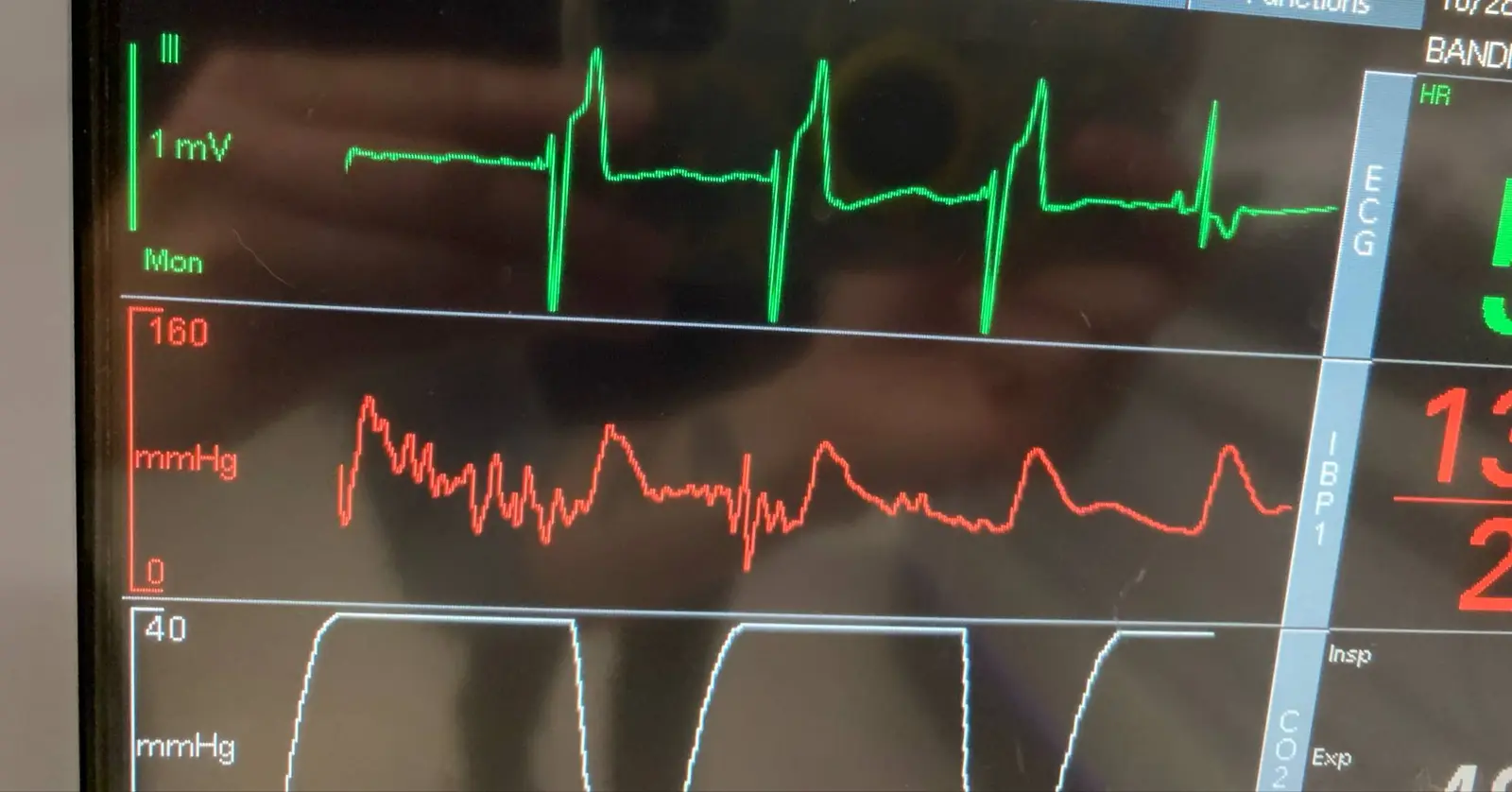
Minimum alveolar concentration (MAC) is one of the most fundamental concepts in veterinary anesthesia. It represents the concentration of an inhalant anesthetic at which 50% of patients will not respond to a standardized surgical stimulus. While it sounds straightforward, applying MAC correctly in clinical practice requires understanding its nuances.
MAC values are species-specific. The MAC of isoflurane, for example, is approximately 1.3% in dogs and 1.6% in cats. These values serve as starting points, but individual patients can deviate significantly based on age, body temperature, concurrent medications, and disease state.
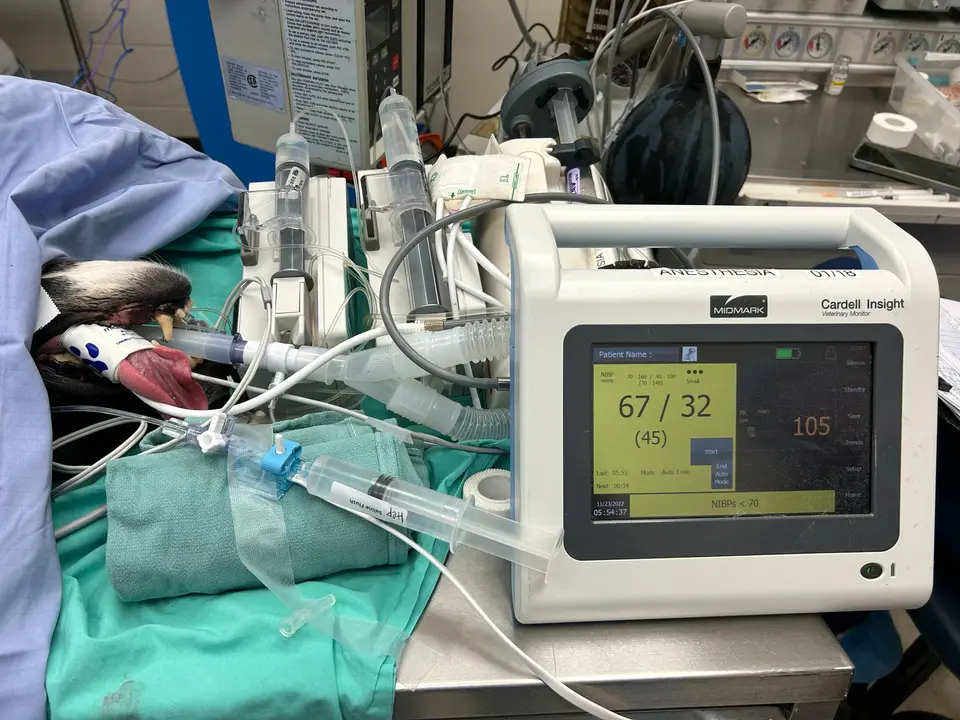
One of the most clinically relevant modifiers is the use of premedication. Opioids, alpha-2 agonists, and benzodiazepines all reduce MAC to varying degrees. A well-designed premedication protocol can lower the inhalant requirement by 20-60%, reducing cardiovascular depression and improving hemodynamic stability throughout the procedure.
Temperature also plays a critical role. Hypothermic patients have a reduced MAC, meaning they require less inhalant to maintain an adequate plane of anesthesia. Monitoring core body temperature and adjusting vaporizer settings accordingly helps avoid unnecessarily deep anesthetic planes.
Understanding MAC is not just academic—it directly impacts patient safety. Overdosing inhalants leads to dose-dependent cardiovascular depression, while underdosing risks awareness and movement during surgery. By using MAC as a framework and adjusting for individual patient factors, veterinary teams can deliver safer, more predictable anesthesia.
Want to Learn More?
Whether you're looking for hands-on training or expert consultation, MACvet™ is here to support your team and your patients.